
I hate to admit it, but I made all these mistakes when I was on-staff at my church. I remember walking into a large conference room with architects, engineers, contractors, city planners and it felt like they were speaking a different language. The biggest gap, what I meant by ‘budget’ and what they meant by ‘budget.’ I meant the whole thing, you know, like a real budget, but for them it was this complicated formula, for their own area of expertise and the fuzziness left me confused. Just so you know, “guratanteed maximum price” is NOT the maximum price, it doesn’t include AV, soft costs, design, or even contingency.
For many churches, the excitement of envisioning a project and more ministry space becomes an ongoing battle and major stress as they try to understand the complicated process of designing and budgeting a project.
One of the most expensive mistakes a church can make is underestimating the true cost of a facility project. As church leaders begin thinking strategically about renovations, expansions, or new construction, it is important to separate common budgeting myths from the realities that actually get a project completed.
Myth #1: “Construction Costs Are the Entire Budget”
When churches first begin discussing a project, attention often centers on the visible construction price tag. This is sometimes called “Cost of the Work” or “Construction Cost.” While construction is certainly a major portion of the investment, it is only one part of the total picture.
Introducing a clear, faith-driven budget can build confidence, unity, and long-term ministry health, while also controlling spending. A comprehensive church building budget should account for three major categories:
1) Hard Costs
These are the physical construction expenses, anything that you would pay to the contractor, including:
- Site work
- Structure and framing
- Mechanical systems
- Electrical and plumbing
- Interior construction
- General Conditions and Contractor Fees
- Contingency
2) Soft Costs
Soft costs are often overlooked but play a significant role in successful projects. These expenses typically account for 10–20% of the total budget and may include:
- Architecture and design
- Engineering
- Permits and approvals
- Utilities
- Insurance
- Professional consulting services
- Owner contingency
3) Furniture, Fixtures, and Equipment (FF&E)
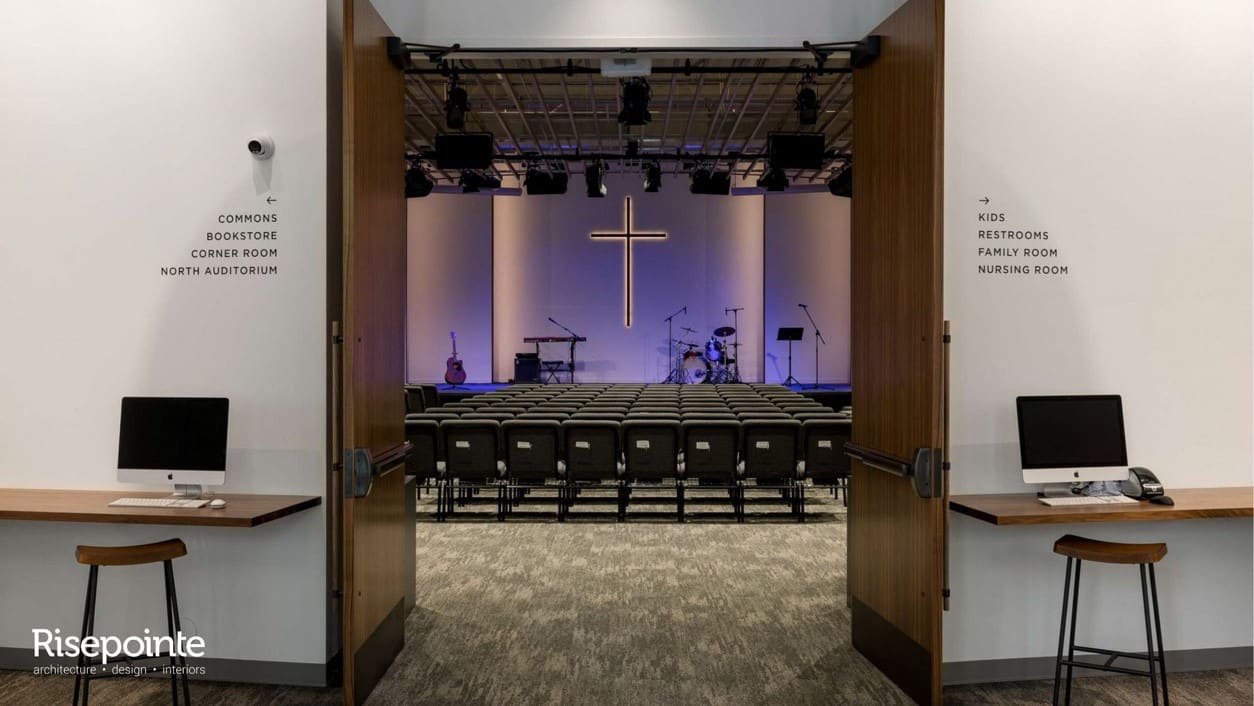
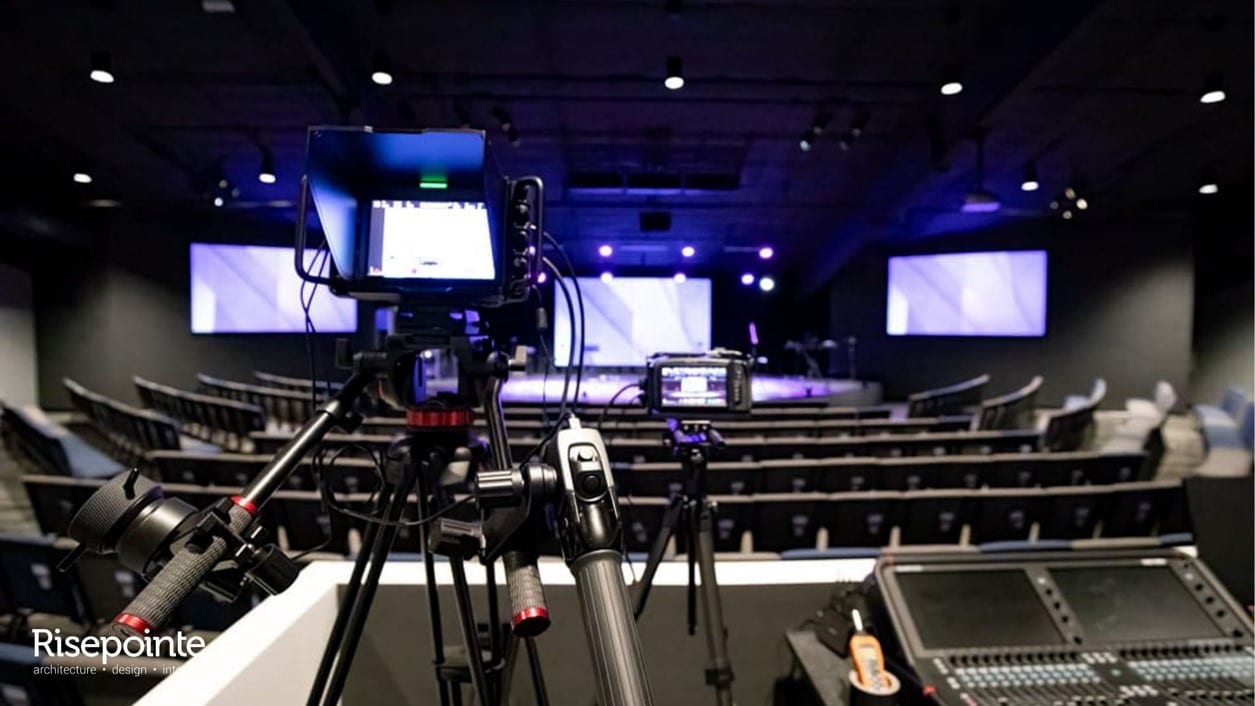
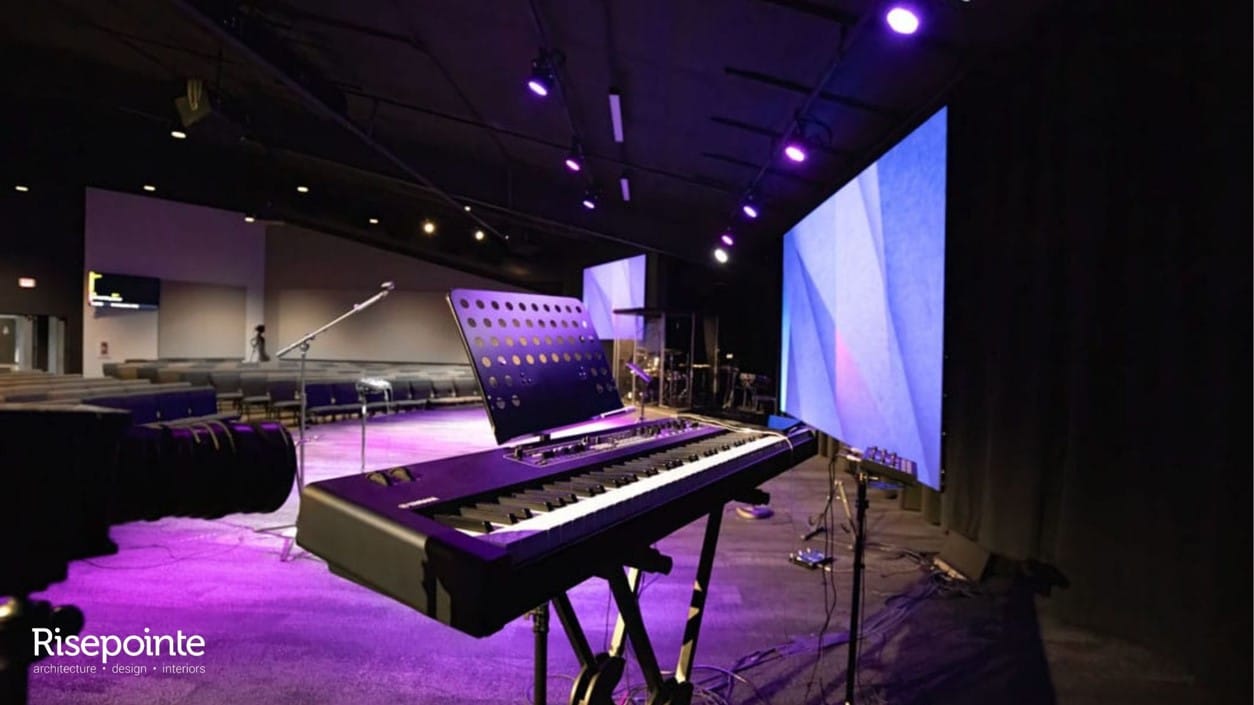
Churches also need to prepare for the practical elements that make the facility usable and welcoming. Believe me, the worship team won’t let you forget the LED walls, but the sooner you can budget ALL items, the easier it will be to make design decisions earlier in the project.
- Seating
- AVL systems
- IT and Security systems
- Signage
- Classroom furniture
- Office furnishings
Without accounting for all three categories early in the planning process, churches can unintentionally create budget gaps that lead to difficult decisions later.
Myth #2: “If We Have the Building Cost, We’re Covered”
Almost every church I talk to asks me what it costs per SF to build in their area. If the building cost was all I had to estimate, I could get pretty close, but the site costs vary wildly. Even on projects where we are adding on to an existing building, the site costs can be pretty minimal, to millions of dollars depending on how we handle grading, soil correction, utility access, drainage requirements, environmental considerations, fire sprinklers and life safety. Besides building costs, the site is the next biggest item that needs to be figured out and budgeted for.
Some other commonly overlooked expenses still in the ‘Hard Cost’ number would be:
- Permit and municipal fees
- Rising labor and material costs often called ‘escalation’
- IT setup and security systems
- Cleaning and move-in preparation
- Landscaping and exterior improvements
- Ongoing operational expenses like maintenance, utilities, and insurance
- Deferred Maintenance
These are not “extra” costs—they are real parts of owning and operating a ministry facility but they can sneak up on us especially when we are adding in to our church building. Healthy planning acknowledges these realities upfront so churches can move forward with greater confidence and fewer surprises.
Myth #3: “A Bigger Building Solves Future Problems”
As ministry leaders we are wired for impact, and we can be tempted to try to maximize our expansion to the biggest building we can afford or to get to the highest number or seats, but in doing so we can over-spend or create bad space that isn’t great for guests or our mission. Instead, we need to strike the balance between increased capacity and quality space that will hopefully outlast our ministry careers.
That is why many successful ministries prioritize phased planning strategies. Instead of overextending financially, they create a long-term roadmap that enables responsible growth over time.
A well-designed master plan helps churches:
- Align facility updates with future ministry goals
- Prioritize the most impactful improvements first
- Maintain operational sustainability
- Create flexibility for future growth opportunities
- Use a process like The Needs Analysis to gain clarity.
Wise stewardship is not measured by square footage. It is measured by how effectively the facility supports ministry over the long term.
Myth #4: “Budgeting Will Limit The Vision”
Some leaders fear that detailed budgeting will restrict creativity or reduce faith-filled vision. In reality, thoughtful planning creates the clarity needed to move forward with unity and confidence. Other leaders try to avoid all risk and use a restrictive budget to make fear-based decisions. See Jesus’ parable on the talents.
Every church renovation or expansion carries some level of risk:
- Financial uncertainty
- Attendance projection challenges
- Construction cost fluctuations
- Long-term operational sustainability
The best response to risk is not avoidance, but thoughtful planning. I get that some of us don’t speak finance, or have any desire to look at lifecycle costs, capital reserves or operational sustainability, but we are called to stewardship. Most of us own facilities that would costs millions to replace, how are we stewarding that resource and budgeting correctly for its growth and maintenance?
Why an Outside Perspective Matters
I have never had to referee an elder meeting while we talked about the building. (Insert sarcastic eye roll here) Facility conversations can become emotionally charged because every leader cares deeply about the mission of the church, but dollars and timelines and construction can muddy the waters for what we should do next.
An experienced outside partner can help bring clarity, objectivity, and informed strategy to the process. Look for someone who can help you with the following:
- Conduct facility assessments that identify real needs versus perceived wants
- Develop master plans tied to long-term ministry goals
- Create phased strategies that avoid overbuilding
- Align budgets with financial capacity
- Improve hospitality, circulation, and first impressions
- Forecast realistic timelines and construction expectations
When you get all the options on the table, alongside their true all-inclusive budgeted costs, clarity will emerge. Sometimes the clarity is, “oh-shoot, we need to move” but more often than not, a strategic, God-aligned option exists.
Planning for Ministry That Lasts
No church can predict every future challenge. But churches can plan wisely. Setting aside 10–20% for unforeseen conditions, design adjustments, or evolving ministry needs helps protect both the project and the financial health of the church.
Strong budgeting is not simply about spreadsheets and line items. It is about creating alignment between mission, resources, and long-term ministry impact. When churches plan well, their facilities become tools that support discipleship, hospitality, outreach, and community for generations to come.
At Risepointe, we believe church facilities should serve the mission—not limit it. Our team of former pastors, administrators, and ministry leaders understands what it means to dream big, steward resources wisely, and seek God’s direction at every step. When churches and ministry organizations partner with Risepointe, they are working alongside real people with a shared heart for ministry and commitment to lasting stewardship.